Chinese New Year
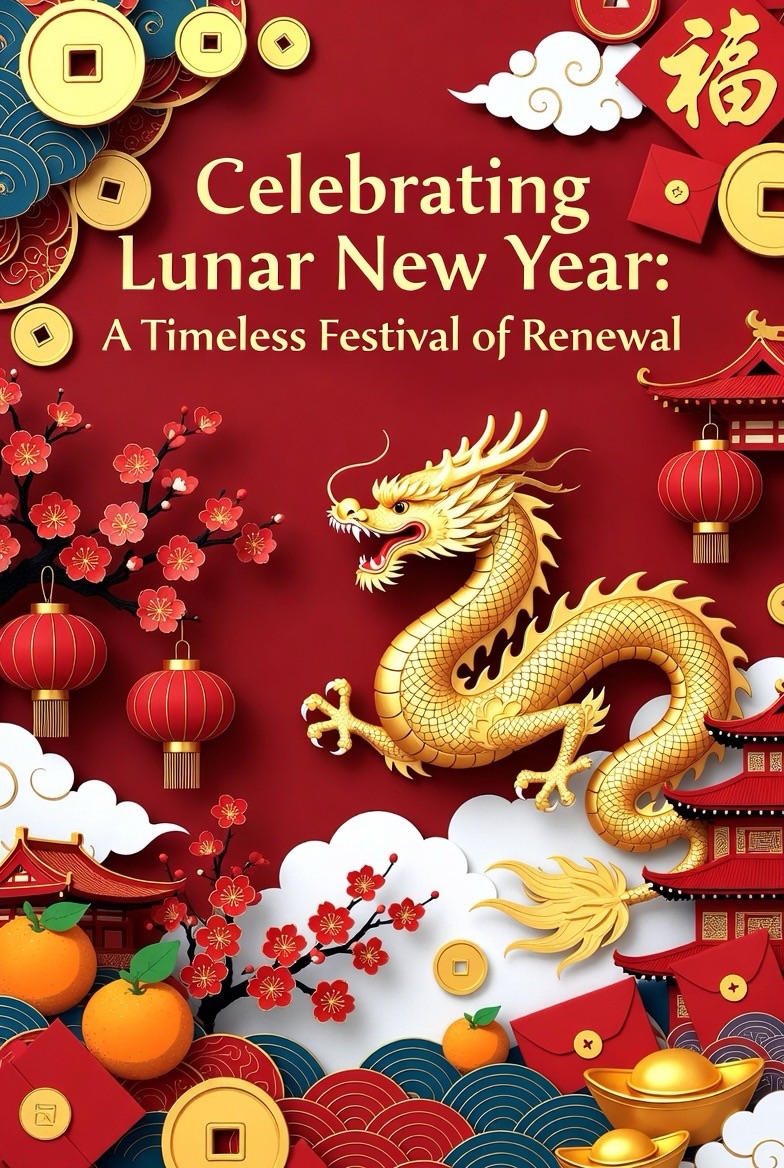
Lunar New Year, often called Chinese New Year in the West, is one of the most important traditional holidays in East Asia and among diaspora communities worldwide. Marking the beginning of the new year on the lunisolar calendar, it is a vibrant celebration of family, renewal, prosperity, and good fortune. Observed primarily by Chinese, Korean, Vietnamese, and other Asian cultures, the festival typically falls between late January and mid-February and lasts for 15 days, culminating in the Lantern Festival. Far more than a single day of festivities, Lunar New Year is a profound cultural event rooted in ancient traditions that continue to evolve in the modern world.

Ancient Origins and Historical Development
The history of Lunar New Year stretches back over 3,500 years to the Shang Dynasty (c. 1600–1046 BCE) in ancient China, where archaeological evidence shows that people performed rituals to honor ancestors and deities at the start of the new agricultural cycle. The festival as we recognize it today began to take shape during the Han Dynasty (206 BCE–220 CE), when the lunisolar calendar became standardized.
One of the most enduring legends explaining the holiday’s customs revolves around Nian (年), a fearsome mythical beast that terrorized villages at the start of each new year. According to folklore, villagers discovered that Nian feared loud noises, the color red, and fire. They drove the monster away by hanging red decorations, setting off firecrackers, and lighting bonfires—practices that survive in modern celebrations.
Over centuries, the festival absorbed Confucian, Taoist, and Buddhist influences, emphasizing family piety, moral renewal, and harmony with nature. By the time of the Ming (1368–1644) and Qing (1644–1912) dynasties, many of the traditions still practiced today—such as giving red envelopes and thorough house cleaning—had become widespread.

The Lunisolar Calendar and the Chinese Zodiac
Unlike the Gregorian calendar, Lunar New Year follows the lunisolar calendar, which aligns lunar months with solar years. The first day of the new year begins on the second new moon after the winter solstice, usually between January 21 and February 20.
Each year is associated with one of the twelve animals of the Chinese zodiac—Rat, Ox, Tiger, Rabbit, Dragon, Snake, Horse, Goat, Monkey, Rooster, Dog, and Pig—along with one of the five elements (wood, fire, earth, metal, water). This creates a 60-year cycle. For example, 2025 will mark the Year of the Snake (wood element), symbolizing wisdom and transformation. The zodiac animal of one’s birth year is believed to influence personality and destiny, and many people consult zodiac forecasts for the coming year.

Core Traditions and Customs
Lunar New Year is steeped in symbolic rituals designed to sweep away bad luck and welcome prosperity.
- Cleaning and Preparation: In the days leading up to the new year, families thoroughly clean their homes to remove the previous year’s misfortunes. After New Year’s Eve, however, sweeping is avoided on the first few days to prevent “sweeping away” good luck.
- Family Reunion Dinner: The evening before the new year is the most important meal of the year. Extended families gather for a lavish feast featuring symbolic foods—dumplings for wealth, fish for abundance, rice cakes for progress, and longevity noodles.
- Red Envelopes (Hongbao): Elders give red envelopes filled with money to children and unmarried adults, symbolizing the transfer of good fortune.
- Fireworks and Lion Dances: Fireworks and firecrackers light up the night to scare away evil spirits, while colorful lion and dragon dances bring energy and blessings to communities.
- Paying Respects: Visiting relatives, especially elders, is a central duty, reinforcing family bonds and filial piety.
The 15-day celebration ends with the Lantern Festival, when people hang glowing lanterns, solve riddles written on them, and eat sweet rice balls (tangyuan) symbolizing unity.

Variations Across Cultures
While rooted in Chinese tradition, Lunar New Year is celebrated with distinct local flavors throughout Asia.
- In Vietnam, it is called Tết Nguyên Đán and emphasizes ancestor worship, with families preparing offerings and visiting graves.
- In Korea, Seollal features ancestral rites (charye), traditional games, and wearing hanbok.
- Tibetan Losar and Mongolian Tsagaan Sar also follow the lunisolar calendar and share themes of renewal, though with unique rituals tied to Buddhist and nomadic heritage.
Diaspora communities in Southeast Asia, North America, Europe, and Australia have adapted the holiday, blending traditional practices with local customs.
Modern Celebrations and Global Significance
Today, Lunar New Year is one of the world’s largest annual human migrations, as millions travel home for family reunions—a phenomenon known in China as Chunyun. Cities host spectacular parades, especially in places like San Francisco, London, and Sydney, where dragon dances and cultural performances draw massive crowds.
In an increasingly globalized world, the holiday has gained broader recognition. Many countries now acknowledge it with public holidays or official greetings, and businesses release zodiac-themed products each year. Yet the core meaning—letting go of the old and embracing hope for the new—remains unchanged.
Conclusion
Lunar New Year is far more than a date on the calendar; it is a living tradition that connects generations, honors ancestral wisdom, and renews optimism for the future. Whether through the glow of lanterns, the crackle of fireworks, or the warmth of family gatherings, the festival reminds us of the enduring human desire for prosperity, harmony, and fresh beginnings. As the wheel of the zodiac turns once more, Lunar New Year continues to light the way forward.
Gong xi fa cai — Wishing you great prosperity!

Leave a Reply