
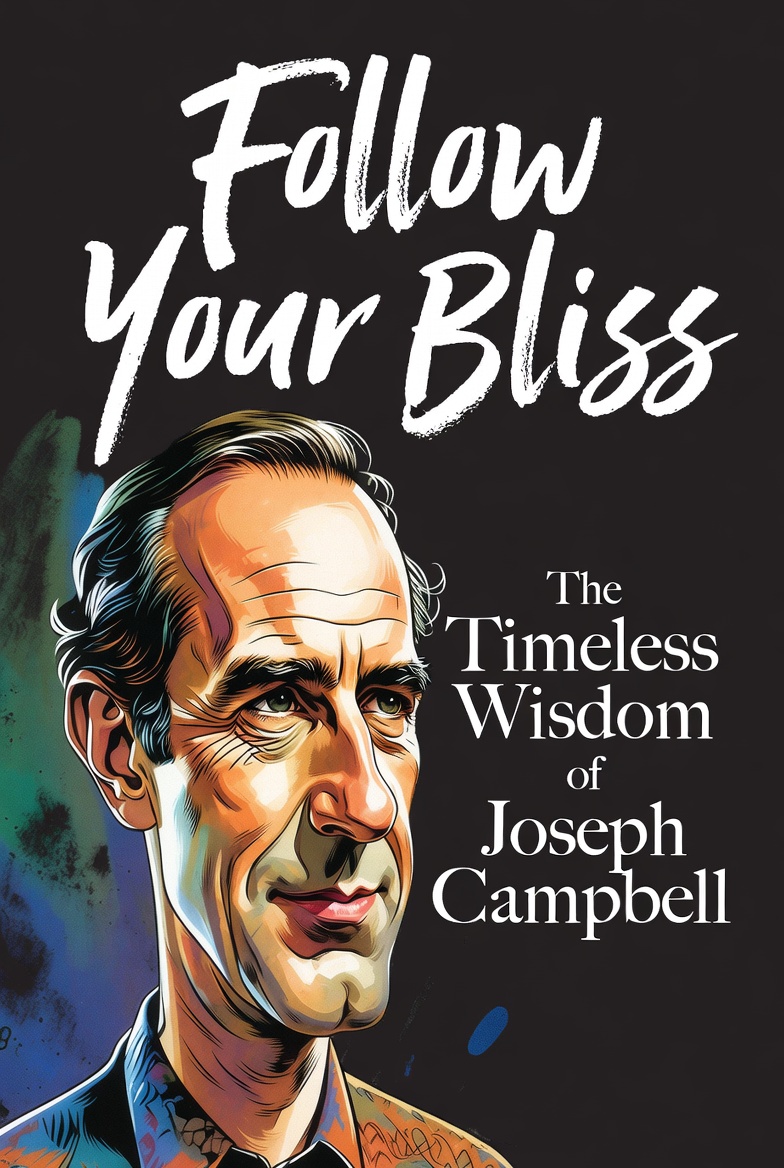
In a world that often pushes us toward conventional paths—stable jobs, societal expectations, and material success—one voice from the 20th century continues to echo with profound clarity: Follow your bliss. These three simple words, spoken by mythologist Joseph Campbell, have inspired generations to pursue lives of meaning, passion, and authenticity. But what did Campbell really mean, and why does this idea resonate so deeply even today?

Who Was Joseph Campbell?
Joseph Campbell (1904–1987) was an American professor, writer, and lecturer best known for his work in comparative mythology and religion. His seminal book, The Hero with a Thousand Faces (1949), introduced the concept of the “monomyth” or “hero’s journey”—a universal narrative pattern found in myths across cultures, from ancient Greece to Native American traditions. Campbell’s ideas influenced everyone from filmmakers like George Lucas (who credited him for Star Wars) to psychologists, artists, and spiritual seekers.
Campbell spent his life studying how stories shape human experience. He believed that myths aren’t just old tales; they’re blueprints for living a fulfilled life.

The Origin of “Follow Your Bliss”
The phrase “follow your bliss” emerged during a series of interviews Campbell gave in the 1980s with journalist Bill Moyers, later compiled into the PBS series and book The Power of Myth. When asked about finding one’s purpose, Campbell said:
“If you follow your bliss, you put yourself on a kind of track that has been there all the while, waiting for you, and the life that you ought to be living is the one you are living. Wherever you are—if you are following your bliss, you are enjoying that refreshment, that life within you, all the time.”
But “bliss” here isn’t about fleeting pleasure or hedonism. Campbell drew from the Sanskrit word ananda, meaning profound joy or rapture—the kind that comes from aligning with your deepest self. It’s the feeling you get when you’re completely absorbed in something you love, whether it’s painting, teaching, coding, or exploring the wilderness.
What Does It Mean to Follow Your Bliss?
At its core, following your bliss is about listening to your inner calling rather than external pressures. Here’s how Campbell broke it down:
- Discover What Makes You Come Alive: Pay attention to activities that energize you, make time disappear, or fill you with a sense of purpose. For some, it’s creativity; for others, helping people or solving complex problems.
- Overcome the “Dragon” of Fear: Campbell often used mythological metaphors. Society, fear of failure, financial insecurity—these are the “dragons” guarding your treasure (your bliss). The hero’s journey requires courage to face them.
- Trust the Path: When you pursue what you love, doors open unexpectedly. Campbell noted that people who follow their bliss often find synchronicities—meaningful coincidences—that guide them forward.
- Live Fully in the Present: Bliss isn’t a destination; it’s a way of being. As Campbell put it, “Participate joyfully in the sorrows of the world.”

Why It Matters in 2025
In an era of hustle culture, AI-driven careers, and economic uncertainty, “follow your bliss” feels both radical and necessary. Burnout is rampant—studies show over 70% of workers experience it regularly. Social media amplifies comparison, making it harder to hear our own voice.
Yet, Campbell’s message offers an antidote:
- For Career Changers: If you’re stuck in a soul-draining job, start small. Take a class, volunteer, or side-hustle in what lights you up. Many successful entrepreneurs (think Steve Jobs or Oprah Winfrey) credit following their intuition.
- For Creatives: Artists, writers, and musicians often face rejection. Campbell reminds us that true art comes from the heart, not approval.
- For Everyone: Even in everyday life—parenting, relationships, hobbies—infusing passion creates ripple effects of joy.
Criticisms and Balance
Not everyone agrees with Campbell. Critics argue “follow your bliss” can be privileged advice—easier said when you have financial stability or support. Campbell himself acknowledged this, emphasizing that bliss often emerges through hardship, not around it.
He wasn’t advocating recklessness. As he clarified: “Follow your bliss and don’t be afraid, and doors will open where you didn’t know they were going to be.” It’s about informed risk, not blind leaps.
How to Start Following Your Bliss Today
Ready to take the leap? Try this Campbell-inspired practice:
- Reflect: Journal for 10 minutes: What activities make me lose track of time? When do I feel most alive?
- Experiment: Dedicate one hour a week to something purely joyful—no outcome required.
- Seek Mentors and Myths: Read stories of people who followed unconventional paths. Watch The Power of Myth or explore Campbell’s books.
- Be Patient: Bliss unfolds gradually. Trust the journey.
The Eternal Call
Joseph Campbell died in 1987, but his words live on because they tap into something universal: the human need for meaning. In a world that measures success in likes, dollars, and titles, “follow your bliss” is a quiet revolution.
As Campbell famously said: “The privilege of a lifetime is being who you are.”
So, what’s your bliss? The track is waiting. All you have to do is step onto it.
Further Reading:
- The Hero with a Thousand Faces by Joseph Campbell
- The Power of Myth (book or PBS series)
- Joseph Campbell Foundation: jcf.org
What’s one step you’ll take today to follow your bliss? Share in the comments—I’d love to hear your journey.
Did you know you can now unlock the Illuminarium Mystica Library?
Dive into the planet’s most enchanting and actionable books, designed to supercharge your spiritual journey and reveal elite occult strategies for business success. Now, you too can rise as a prophet of profit, with instant downloads of transformative titles to build your ultimate life.

Leave a Reply