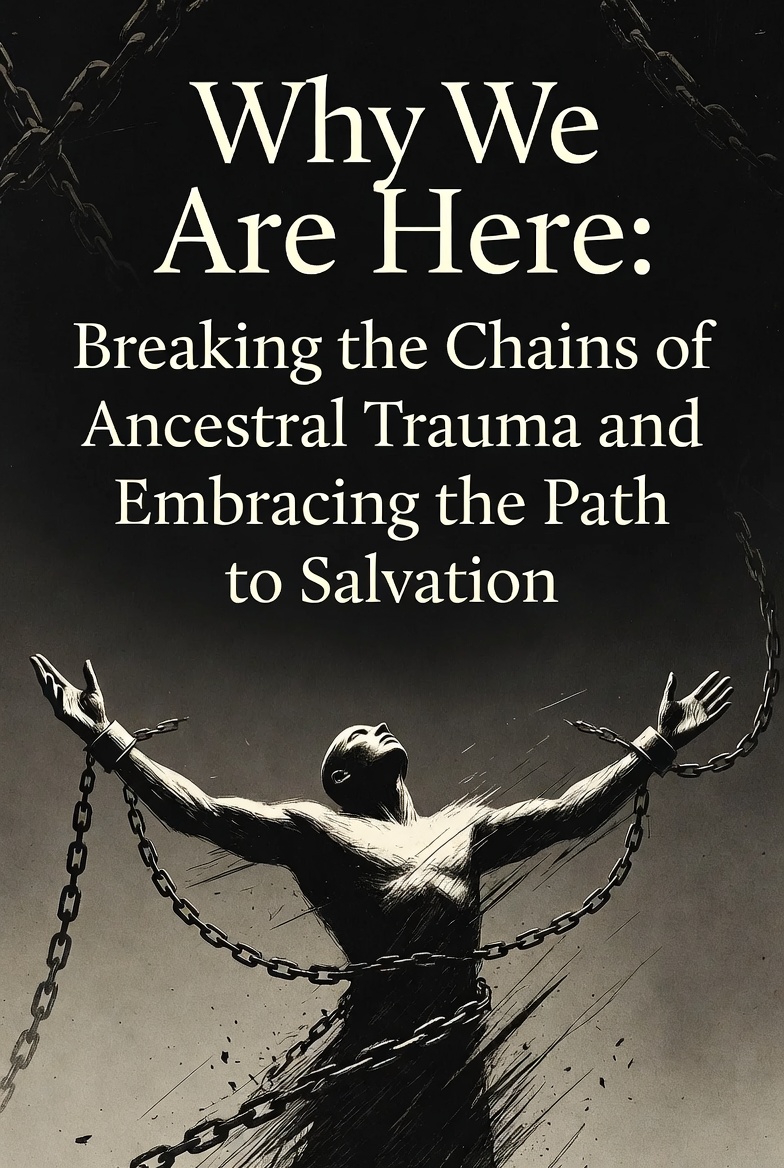
Dear friend, if you’re reading this, I imagine you’re carrying a weight that feels heavier than your own bones—a quiet ache passed down through generations, like an unspoken inheritance. Maybe it’s the echo of your grandparents’ unspoken sorrows, or the shadow of histories that weren’t yours to live but somehow became yours to bear. Ancestral trauma isn’t just a buzzword; it’s the invisible thread weaving through our lives, pulling us into patterns we didn’t choose. But here’s the gentle truth I’ve come to hold close: we are here, in this vast, swirling cosmos, not to be crushed by that weight, but to rise above it. We are here to heal, to sacrifice the old self, and to step into a salvation that transforms this nightmare into a dawn of profound peace. Let’s walk this path together, shall we? I’ll share my thoughts with you, not as a distant expert, but as a fellow traveler who’s stumbled in the dark and found flickers of light.

Imagine for a moment the story of a tree, ancient and gnarled, its roots twisted deep into soil poisoned by storms long past. That tree is us—our family lines, scarred by wars, displacements, addictions, or unspoken abuses that ripple forward. Ancestral trauma manifests in so many ways: the anxiety that grips your chest without warning, the relationships that fracture in familiar patterns, or the deep-seated fear that life is an endless cycle of suffering. Why does this happen? Because trauma isn’t just personal; it’s epigenetic, etched into our very DNA, influencing how we respond to the world. But here’s where compassion enters the room like a warm embrace: you are not broken for feeling this. You are human, beautifully resilient, and your pain is a signal—a call to awaken.

We are here, I believe, to confront this inheritance head-on, not with anger or denial, but with the quiet courage of understanding. Think of it as a sacred unraveling. Start small, my friend: journal the stories you’ve heard or sensed from your lineage. What burdens did your ancestors carry that you no longer need to? Perhaps it’s the immigrant’s relentless drive to prove worth, or the survivor’s guarded heart. By naming these, we begin to loosen their grip. Engage with therapies like EMDR or somatic experiencing, which honor the body’s wisdom in releasing stored trauma. Or turn to community—support groups where voices like yours weave a tapestry of shared healing. I’ve seen it in my own life: acknowledging the pain doesn’t deepen the wound; it allows the light to seep in.

But true transformation demands sacrifice, doesn’t it? Not the dramatic kind of old tales, but a willing release of what no longer serves. We are here to sacrifice the ego’s illusions—the belief that we must suffer alone, or that salvation is a distant myth. Sacrifice the numbness that protects but also isolates; let go of the resentment toward those who came before, forgiving not for their sake, but for your freedom. This act of surrender is the bridge to salvation, a word that might evoke religious connotations, but here I mean it as wholeness—a reclamation of your soul from the nightmare of disconnection. Picture this nightmare as a fog-shrouded maze we’ve all wandered into: the daily grind of unfulfilled dreams, the global chaos that mirrors our inner turmoil, the sense that existence is random and cruel. Yet, salvation whispers that it’s not. It’s the realization that by healing ourselves, we heal the lineage backward and forward, breaking cycles for generations unborn.

Let me share a story to illustrate, one that might resonate with your own hidden chapters. There was a woman I knew, let’s call her Elena, whose family fled oppression decades ago. She carried their fear like a backpack, manifesting in chronic illness and fractured bonds. One day, in a moment of quiet desperation, she chose sacrifice: she delved into ancestral healing rituals, writing letters to her forebears, burning them as offerings of release. It wasn’t instant magic, but over time, the nightmare lifted. She found joy in simple connections, purpose in mentoring others. Elena’s salvation wasn’t escape; it was integration—turning pain into power. Could this be your story too? What small sacrifice might you make today—a conversation unspoken, a habit released—to inch toward that light?

As we journey deeper, remember that engagement with this process isn’t a one-time event; it’s a lifelong companionship with your evolving self. Use tools that sustain you long-term: mindfulness practices to ground in the present, where trauma’s echoes fade; creative outlets like art or dance to express what words can’t; and nature’s embrace, where the earth’s ancient wisdom reminds us we’re part of something eternal. Compassion for yourself is key—on days when the nightmare feels all-consuming, speak to yourself as you would a cherished child: “You’re safe now. You’re seen.” And extend that to others; in connecting with suffering readers like you, we build a web of empathy that dissolves isolation.
Why are we here, truly? Not to perpetuate the trauma, but to transcend it. To sacrifice the fractured self for the whole one waiting within. To claim salvation from this collective nightmare by becoming beacons for each other. This isn’t a quick fix; it’s a profound evolution, one that rewards with depths of joy and connection you might have thought impossible. If you’re feeling the pull, start today. Reach out, reflect, release. I’m here with you in spirit, cheering your every step. What’s one thread of your ancestral story you’d like to unravel first? Share in the comments below—we heal together.
The Illuminarium is calling you. Won’t you heed the call?
Dive into the planet’s most enchanting and actionable books, designed to supercharge your spiritual journey and reveal elite occult strategies for business success. Now, you too can rise as a prophet of profit, with instant downloads of transformative titles to build your ultimate life.

Leave a Reply