Some of the herbal allies mentioned here are shared through affiliate links, meaning I may receive a small blessing of support if you choose to journey with them—always at no extra cost to you.

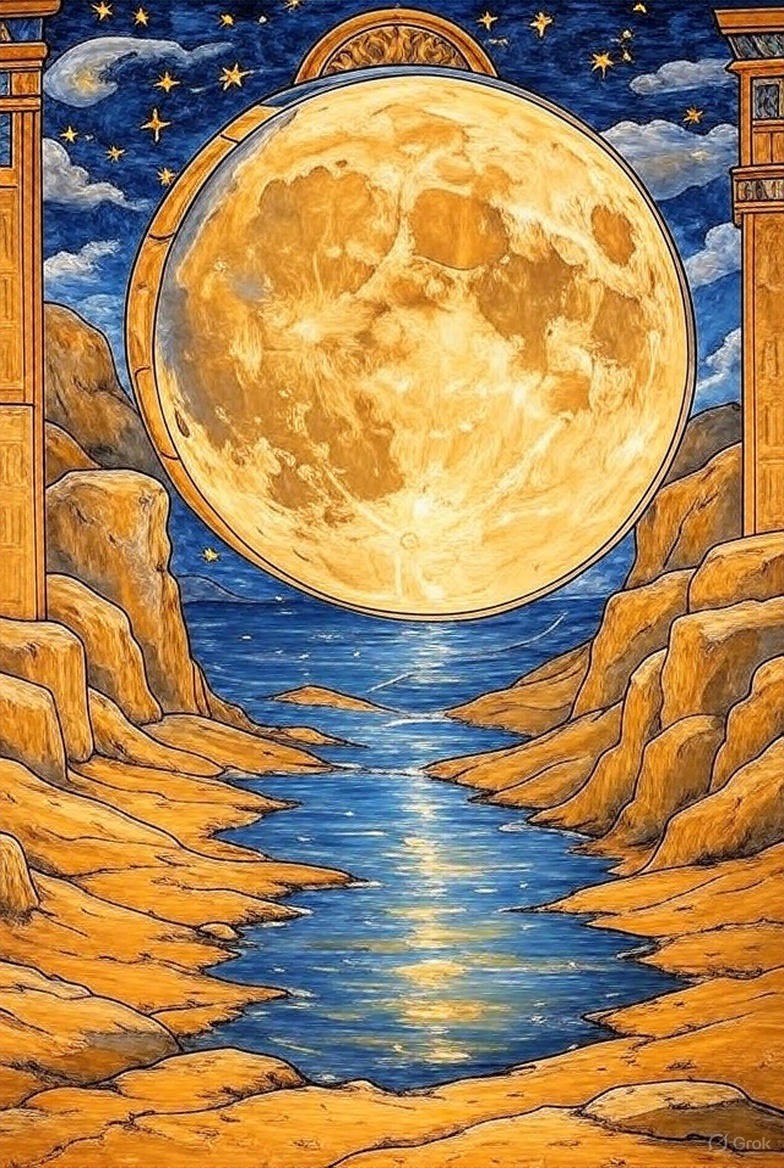
Ah, Monday – that notorious harbinger of the workweek, often greeted with groans and extra-strong coffee. But what if I told you that this day isn’t just a mundane restart button, but a cosmic invitation from the moon herself? Derived from the Old English “Monandæg,” literally meaning “Moon’s Day,” Monday carries the ethereal essence of our celestial companion, the moon. Across cultures and epochs, the moon has been revered as a luminous guardian of secrets, emotions, and cycles, influencing everything from ocean tides to human moods.
In this enchanting exploration, we’ll dive deep into the significance, meanings, esoteric symbology, and traditions surrounding Moon Day, blending worldly perspectives from ancient civilizations to modern mysticism. We’ll uncover the moon’s profound powers and share playful yet profound ways to align your spirit with its silvery glow every Monday. Prepare to transform your dreaded start-of-the-week into a magical ritual of renewal – because who knew Mondays could be so… lunar-tastic?
The Ancient Roots: Monday’s Lunar Legacy Across the Globe
Picture this: millennia ago, under star-strewn skies, our ancestors gazed upward, mesmerized by the moon’s waxing and waning dance. In the cradle of Western civilization, the Romans named their second day of the week “Dies Lunae” after Luna, their goddess of the moon, a shimmering deity who rode a chariot across the heavens, pulling the night behind her like a velvet cloak. This wasn’t mere whimsy; the moon dictated agricultural rhythms, guided nocturnal hunts, and even influenced the ebb and flow of human fertility in folklore.
Venture eastward to India, where Chandra, the moon god, embodies cool serenity and is celebrated in Hindu traditions as the overseer of minds and emotions – Monday, or Somvar (from Soma, another name for the moon), is a day for fasting and temple visits, honoring the lunar deity to soothe inner turmoil and invite prosperity.
In Norse mythology, the moon is personified by Mani, a brother to the sun goddess Sol, chased eternally by wolves across the firmament, symbolizing the perpetual chase of light and shadow in our lives. Indigenous cultures, like the Maya, wove the moon into their calendars, viewing it as a weaver of fate, with Rabbit as its emblem in some tales, hopping through phases that mirrored life’s unpredictable leaps.
Even in African lore, from the Yoruba’s Yemoja – a maternal sea goddess intertwined with lunar tides – to Egyptian Isis, who resurrected her husband under the moon’s watchful eye, Monday emerges as a universal thread connecting humanity to the cosmos. This rich tapestry isn’t just historical trivia; it’s a reminder that Monday pulses with the moon’s ancient energy, urging us to pause amid modern chaos and reconnect with the world’s collective wonder at that glowing orb overhead.
Esoteric Symbology: Decoding the Moon’s Mystical Codes
Delve into the shadows of esoterica, and the moon reveals itself as a master symbolist, whispering arcane truths through its silvery veil. In tarot, the Moon card evokes illusion, intuition, and the subconscious – a watery realm where crayfish crawl from primordial pools, dogs howl at hidden paths, and towers pierce the night, warning of deceptions while promising profound insights if we dare to navigate the fog.
Astrologically, the moon rules Cancer, governing our emotional undercurrents, nurturing instincts, and the feminine divine; it’s no coincidence that Monday, under lunar sway, often feels like an emotional rollercoaster, stirring up feelings we’ve buried over the weekend. Alchemists saw the moon as silver, the receptive counterpart to the sun’s gold, embodying transformation through dissolution – think of how the moon’s phases mirror personal growth: new moon for intentions, full moon for culmination, waning for release.
In Kabbalah, the moon aligns with Yesod, the foundation of dreams and psychic visions, a gateway to higher realms where imagination reigns supreme. Eastern esoteric traditions, like Taoism, view the moon as yin energy – cool, passive, and restorative – balancing the yang fire of Sunday’s solar blaze.
Symbolically, the moon’s craters and phases represent impermanence and rebirth, teaching us that life’s lows are merely setups for luminous highs. Fun fact: in dream symbology, a Monday moon sighting might signal upcoming emotional revelations, like spotting a white rabbit in Wonderland. This symbology isn’t dusty occult lore; it’s a playful toolkit for decoding Monday’s vibes, transforming potential blues into a canvas for intuitive artistry.
Traditions and Rituals: Celebrating Moon Day Worldwide with a Twist of Magic
From moonlit festivals to quirky customs, traditions around Moon Day weave a global quilt of reverence and revelry, each thread infused with the moon’s enchanting powers. In Japan, Tsukimi – or moon-viewing – parties on the full moon nearest Monday evoke poetic gatherings with dango rice dumplings and pampas grass offerings, honoring the harvest moon as a symbol of abundance and fleeting beauty, much like cherry blossoms in spring.
Hop over to Thailand, where Makha Bucha Day, often falling near a Monday, sees Buddhists circling temples under the moon, commemorating the Buddha’s teachings with candlelit processions that illuminate paths to enlightenment. European folklore brims with Monday mischief: in medieval England, washing clothes on Moon Day was taboo, lest the moon’s pull “wash away” family luck, while Scottish highlanders planted crops by lunar phases, starting seeds on Mondays for fertile growth.
Native American tribes, such as the Hopi, perform moon dances to invoke rain and fertility, their rhythmic steps echoing the moon’s tidal symphony. Modern twists add entertainment – think lunar yoga sessions in urban parks, where participants flow through poses like child’s pose (for introspection) under Monday’s glow, or DIY moon altars with crystals like selenite and moonstone to amplify intuitive energies.
In esoteric circles, silver jewelry worn on Mondays channels lunar protection, warding off negativity like a cosmic shield. These traditions aren’t rigid rules but invitations to infuse your Monday with worldly flair: imagine starting your week with a Korean-inspired moon tea ceremony, sipping chamomile while journaling dreams, blending ancient wisdom with contemporary fun for a deeply satisfying ritual.
Harnessing Lunar Powers: Aligning Your Soul for Moon-Day Magic
Now, the juicy part – how to sync your inner world with the moon’s potent energies every Monday, turning the day into a powerhouse of personal alchemy. The moon’s powers are vast: it governs emotions, enhancing empathy and creativity; rules water elements, promoting healing and flow; and amplifies psychic abilities, making Mondays ideal for introspection and manifestation.
Start by attuning to its cycle – if it’s a waxing moon, channel growth by setting intentions over breakfast, perhaps scribbling goals on paper and “charging” them under window moonlight (or a lamp if clouds play spoilsport). For waning phases, release baggage with a fun “moon dump”: write worries on biodegradable paper and bury them in your garden, letting the earth (and moon’s pull) dissolve them. Incorporate worldly views: draw from Celtic druidism by walking barefoot on grass, feeling the moon’s earthy connection, or from Chinese feng shui by decluttering your space to invite lunar clarity.
Esoterically, meditate with moon visualizations – imagine bathing in silver light, washing away weekend residue, emerging refreshed like a phoenix from lunar ashes. Make it entertaining: host a “Moon-day Mixer” with friends, sharing moon-inspired cocktails (non-alcoholic options like lavender lemonade for that dreamy vibe) while discussing synchronicities. Deepen it with wisdom: align chakras, focusing on the sacral for emotional flow, using affirmations like “I flow with the moon’s tides, embracing change with grace.”
Nutrition-wise, opt for moon-friendly foods – watery fruits like melons or seafood – to nourish your intuitive side. Ultimately, aligning with Monday’s lunar essence fosters resilience, turning the week’s launchpad into a sacred space where you harness the moon’s powers for emotional mastery, creative bursts, and soulful depth. Who says Mondays can’t be magical? Embrace the whisper, and watch your weeks transform.

Unveiling the Celestial Veil: A Deeper Dive into Lunar Astrology’s Enchanted Realms
Oh, dear stargazer, if you’ve ever felt the moon’s pull tugging at your heartstrings like an invisible cosmic puppeteer, you’re already attuned to the subtle symphony of lunar astrology. Building on our lunar love affair with Moon Day, let’s plunge deeper into this mystical domain where the moon isn’t just a nightlight but a profound architect of our emotions, instincts, and inner worlds. Lunar astrology, that shimmering subset of the stars’ grand narrative, focuses on the moon’s swift dance through the zodiac, its waxing and waning phases, and its transits that ripple through our daily lives like whispers from the universe.
Drawing from ancient wisdom across cultures – from Vedic insights in India to Western esoteric traditions – we’ll explore how this luminous orb shapes our psyches, relationships, and even life cycles. Imagine the moon as your personal emotional GPS, guiding you through foggy feelings and illuminating paths to self-discovery. With a blend of ancient lore, modern interpretations, and a dash of playful magic, we’ll uncover how to harness its powers for a life that’s not just lived, but enchanted. Ready to moonwalk through the cosmos?
The Essence of Lunar Astrology: Beyond the Surface Glow
At its core, lunar astrology is the art of interpreting the moon’s position, phases, and movements to decode the undercurrents of human experience, emphasizing emotion over the sun’s ego-driven spotlight. Unlike solar astrology, which outlines your outward personality, the moon delves into the shadowy realms of intuition, habits, and subconscious drives, ruling the zodiac sign Cancer and embodying the nurturing, receptive yin energy that balances the yang sun.
In Vedic traditions, the moon (Chandra) is revered as the mind’s sovereign, influencing mental clarity and emotional stability, while in Western charts, your moon sign reveals how you process feelings – think of it as your inner child’s zodiac wardrobe. Astrologers on platforms like X echo this depth, suggesting that to study your mind’s nature, treat the moon as your ascendant in horoscopes, unlocking layers of self-awareness that feel like peeling an onion – tearful yet revelatory.
This isn’t mere stargazing fluff; it’s a worldly tapestry woven from Egyptian lunar deities like Thoth to Native American moon ceremonies, where the orb symbolizes cycles of renewal and the feminine divine. By aligning with lunar astrology, you’re tapping into a universal rhythm that governs tides, moods, and even agricultural timings in cultures like the Maya, who synced their calendars to its phases for prophetic insights. Fun twist: ever notice how “lunatic” stems from “luna”? It’s a nod to the moon’s reputed sway over sanity, reminding us that embracing its chaos can lead to profound wisdom rather than madness.
Lunar Phases: The Moon’s Magical Metamorphosis and Their Hidden Meanings
Picture the moon as a cosmic shape-shifter, cycling through eight mesmerizing phases every 29.5 days, each a chapter in an eternal story of birth, growth, peak, and release – mirroring our own life’s ebbs and flows. Starting with the New Moon, a blank slate of darkness symbolizing fresh starts and intention-setting, it whispers promises of renewal, much like the Hindu tradition of Amavasya for ancestral rituals. As it waxes to the Crescent, energy builds like a budding romance, urging forward momentum and manifestation – think waxing poetic under its sliver of light. The First Quarter brings decision-making vibes, a halfway point of action and challenges, akin to a quarter-life crisis but with stellar guidance. Gibbous phase?
That’s refinement time, polishing dreams before the Full Moon’s grand illumination, a pinnacle of culmination and revelation where emotions run high, often tied to werewolf lore in European folklore for its transformative power. Then, as it wanes – Disseminating for sharing wisdom, Third Quarter for release, and Balsamic for introspection – it’s a gentle lesson in letting go, echoing Buddhist concepts of impermanence.
Deeper still, these phases align with human lifecycles: New Moon as infancy, Full Moon as midlife peak, and Balsamic as elder wisdom, offering a progressed chart lens for personal evolution every seven years or so. Modern astrologers on X hype full moons like the Taurus one for grounding and relationship truths, turning these cycles into personal power-ups. Entertainingly wise: sync your haircut to a waxing moon for growth (old wives’ tale with astrological roots), or journal during waning to shed emotional baggage like lunar confetti.
Moon Signs: Decoding Your Emotional Zodiac and Inner World
Your moon sign – the zodiac placement of the moon at birth – is like the soundtrack to your soul, revealing how you nurture yourself and others, far beyond your sun sign’s spotlight persona. In fiery Aries moon, emotions erupt like volcanoes, craving adventure but learning patience; Taurus moon seeks sensual stability, a cozy blanket of security amid life’s storms. Gemini’s lunar vibe is chatty and curious, flitting through feelings like a butterfly, while Cancer moon, the moon’s home turf, embodies deep empathy and homey intuition, often channeling maternal energies from global traditions like the Chinese moon goddess Chang’e.
Leo moon demands dramatic expression, Virgo analyzes emotions meticulously, Libra harmonizes through relationships, and Scorpio dives into passionate depths, unearthing hidden truths. Sagittarius moon philosophizes feelings with optimism, Capricorn builds emotional fortresses with discipline, Aquarius innovates detachment for humanitarian vibes, and Pisces swims in compassionate, dreamy waters. Worldly views enrich this: in Vedic astrology, moon signs (Rashi) guide daily predictions, while Western synastry uses them for compatibility – a Scorpio moon with a Pisces might merge souls poetically. Fun and deep: X astrologers suggest Venus as ascendant for relationship insights, blending lunar emotionality with love’s lens for profound self-understanding. Embrace your moon sign as a wise inner guide, perhaps through “lunar soul readings” popularized online, decoding blueprints for emotional mastery.
Lunar Transits: The Moon’s Swift Journeys and Daily Cosmic Whispers
Every two to three days, the moon transits a new zodiac sign, infusing the collective mood with fresh flavors – a rapid-fire emotional weather report that savvy astrologers track for daily guidance. When the moon glides through Sagittarius, expect a thirst for adventure and philosophical musings, turning mundane Mondays into quests for meaning; in Capricorn, it’s all about disciplined focus, perfect for tackling to-do lists with stoic grace. These transits interact with your natal chart, activating houses and aspects – a moon in your 7th house might spark relationship revelations, echoing global practices like Thai lunar calendars for auspicious timings. Deeper layers include lunar nodes, sweeping the zodiac every 18 years to stir fate and karma, often feeling like destiny’s roulette wheel spinning themes of growth and release. X voices add contemporary spice, with posts on Aquarius moon urging eccentric innovations amid uncertainty, blending transit wisdom with personal empowerment. Entertainingly profound: use apps for transit alerts, turning potential mood swings into opportunities for growth, like surfing emotional waves rather than drowning in them.
Harmonizing with Lunar Forces: Rituals, Alignments, and Everyday Magic
To truly embody lunar astrology’s wisdom, weave its energies into your routine with rituals that honor its cycles, fostering emotional resilience and intuitive prowess across cultures. During new moons, set intentions with Japanese-inspired moon-viewing meditations; full moons call for release ceremonies, perhaps burning lists of outdated habits under its glow, akin to African lunar dances for renewal. Align transits by choosing activities that match – watery Pisces moon?
Dive into creative arts or empathy exercises. Crystals like moonstone amplify vibes, while herbal teas (chamomile for calm) nod to alchemical traditions. X communities share gems like wolf moon messages for fixed signs, encouraging heart-following and balance. Wise yet whimsical: create a “lunar journal” for tracking moods against phases, transforming astrology from hobby to life-altering tool. By dancing with the moon’s rhythms, you unlock a deeper, more harmonious existence – because in the grand cosmic play, you’re not just a spectator, but a luminous co-creator.

Shadows of the Crescent: Unveiling Sin, the Ancient Moon God and His Enduring Mystical Legacy
Ah, the moon – that eternal enigma hanging in the velvet sky, casting spells of silver light and stirring the soul’s deepest whispers. But did you know that in the cradle of civilization, amid the ziggurats and starlit rivers of ancient Mesopotamia, the moon wasn’t just a distant orb but a divine entity named Sin? Yes, this lunar god, known variably as Nanna to the Sumerians or Suen in Akkadian tongues, embodied the profound mysteries of the night, far removed from any notions of moral transgression – the name “Sin” is a serendipitous echo from Semitic roots meaning “moon” or “to shine,” a linguistic gem that twinkles with irony in our modern lexicon.
To the peoples of Sumer, Akkad, Babylon, and Assyria, Sin was no mere mythological footnote; he was a cosmic patriarch, a beacon of wisdom and fertility whose phases mirrored the rhythms of life itself. In this captivating journey, we’ll peel back the layers of time to explore Sin’s significance, his esoteric symbology, the traditions that honored him, and how his ancient powers still resonate in our lunar-loving world. Blending historical depth with a touch of whimsical wonder, prepare to see the moon anew – not as a cold rock, but as a godly guardian whose story invites us to align with the tides of fate and intuition. Who knew mythology could make Mondays feel even more magical?
The Divine Luminary: Sin’s Role in Mesopotamian Mythology and Cosmic Order
Imagine the ancient Mesopotamian night sky, a vast canvas dotted with stars, where Sin reigned supreme as the god of the moon, illuminating the darkness with his gentle glow and guiding the fates of kings and commoners alike. As one of the most enduring deities in the pantheon, Sin – or Nanna/Suen – was the son of the sky god Enlil and the grain goddess Ninlil, positioning him as a bridge between the heavens and earth, a celestial intermediary whose light revealed hidden truths and enforced divine justice alongside his son, the sun god Shamash.
In Sumerian lore, he was the tender shepherd of the stars, his crescent form often depicted as bull horns, symbolizing strength and fertility in a land where the moon’s cycles dictated the flooding of the Euphrates and Tigris, nurturing the cradle of agriculture. Babylonian hymns praised him as the “lord of wisdom,” the keeper of cattle and dairy, whose silvery rays ensured bountiful harvests and the well-being of herds – a practical divinity intertwined with daily survival, yet elevated to cosmic stature. His role extended to law-giving and verdicts, as texts describe him and Shamash issuing decrees from the night sky, embodying the balance of light and shadow in moral and natural orders. In Assyrian times, Sin’s influence waned and waxed like his lunar self, but he remained a protector of cities like Ur and Harran, where his temples stood as beacons of reverence. This godly figure wasn’t aloof; myths portray him journeying through the underworld, his eclipses seen as battles or illnesses, reminding mortals of vulnerability even among immortals – a poignant reflection on life’s impermanence that feels eerily modern in its depth. Through Sin, Mesopotamians wove astronomy into spirituality, tracking his phases for calendars and omens, turning the night into a narrative of divine will and human harmony with the cosmos.
Esoteric Symbology: The Hidden Layers of Sin’s Lunar Emblems
Peel away the surface of Sin’s mythology, and you’ll uncover a treasure trove of esoteric symbols that pulse with profound meaning, whispering secrets of the universe to those who dare listen. The crescent moon, his primary emblem, wasn’t just a pretty curve in the sky; it represented renewal and growth, the young bull’s horns evoking virility and the cyclical rebirth of nature – a motif etched on seals, stelae, and tablets, often haloing Sin’s head or crowning his throne. In Kassite art, this crescent joined the sun and star to form a triad symbolizing Sin, Shamash, and Ishtar, a cosmic family illustrating the interplay of moon, sun, and Venus in the dance of fate and fertility.
Esoterically, Sin’s light symbolized enlightenment through subtlety, piercing veils of ignorance much like the moon reveals paths in darkness, tied to water and fertility for its influence on tides and menstrual cycles – a yin force of intuition and emotion in a pantheon dominated by stormy gods. His boat-like traversal across the heavens evoked journeys of the soul, while eclipses were omens of divine displeasure or renewal, blending fear and hope in a symbolic tapestry that influenced later Semitic and even Abrahamic traditions. Fun esoteric twist: the number 30, Sin’s sacred digit, mirrored the lunar month’s days, encoding mathematical mysticism into rituals, where priests divined futures from his phases – a precursor to astrology that feels like cosmic code-breaking. These symbols weren’t static; they evolved, from Sumerian bull-man depictions to Babylonian bearded sages, always embodying the moon’s duality: gentle nurturer by night, harbinger of change by phase. In this symbology lies a wise lesson – embrace the shadows, for in Sin’s glow, true insight blooms.
Traditions and Rituals: Honoring Sin Through Ages of Moonlit Reverence
From the sun-baked bricks of Ur to the echoing halls of Harran, traditions honoring Sin wove a vibrant ritual fabric, blending devotion with daily life in ways that turned the mundane into the mystical. Priests in his grand ziggurats, like the E-gish-shir-gal (“House of the Great Light”) in Ur, performed nightly observations, charting lunar phases to set calendars, predict floods, and interpret omens – a blend of science and spirituality where eclipses prompted lamentations and purifications to appease the “sick” god.
Festivals marked his cycles: the new moon brought offerings of milk and dates, symbols of his dairy dominion, while full moons inspired hymns and processions, invoking fertility for crops and wombs alike. In Babylonian culture, royal inscriptions lauded Sin as patron, with kings like Nabonidus rebuilding his temples in extravagant displays, blending politics with piety – imagine moonlit ceremonies where incense swirled and chants echoed, aligning human endeavors with celestial rhythms.
Assyrian warriors sought his blessings before battles, viewing his light as a guiding omen, while common folk wore crescent amulets for protection, a tradition echoing in later Islamic and Jewish lunar symbols. Entertainingly deep: rituals included “moon baths” where devotees exposed themselves to his rays for wisdom infusions, or sacrificial feasts tying into his cattle guardianship – practices that fostered community and cosmic connection. Even in exile, Sin’s cult persisted, influencing neighboring cultures and surviving into Hellenistic times, a testament to his timeless appeal in a world ever enchanted by the moon’s allure.
Echoes of Eternity: Aligning with Sin’s Lunar Powers in the Modern World
As we draw this lunar odyssey to a close, consider Sin not as a relic of dusty tomes but as a living archetype, his powers offering a final, profound invitation to harmonize with the moon’s ancient wisdom in our chaotic contemporary lives. His essence – fertility, intuition, and cyclical renewal – whispers through modern practices like moon journaling or crystal charging under crescent glows, where we can invoke his energy for emotional clarity and creative bursts, much as Mesopotamians did for bountiful fields.
Align by tracking lunar phases with apps, setting intentions at new moons like Sin’s rebirth, or releasing grudges during wanes, blending his symbology with mindfulness for soulful depth. Fun ritual: craft a “Sin altar” with crescent motifs, dairy offerings, and blue lapis (his sacred stone), meditating on wisdom amid moonlight to tap his protective vibes. In a world of constant flux, Sin teaches resilience through change, urging us to embrace shadows for growth – a wise, entertaining echo that transforms ordinary nights into portals of mystical empowerment. So next Moon Day, gaze upward and feel his silvery thread connecting past to present; after all, in Sin’s light, we’re all part of the eternal cosmic story.

Leave a Reply