
Some of the herbal allies mentioned here are shared through affiliate links, meaning I may receive a small blessing of support if you choose to journey with them—always at no extra cost to you.

Introduction to the Wonder Fruit
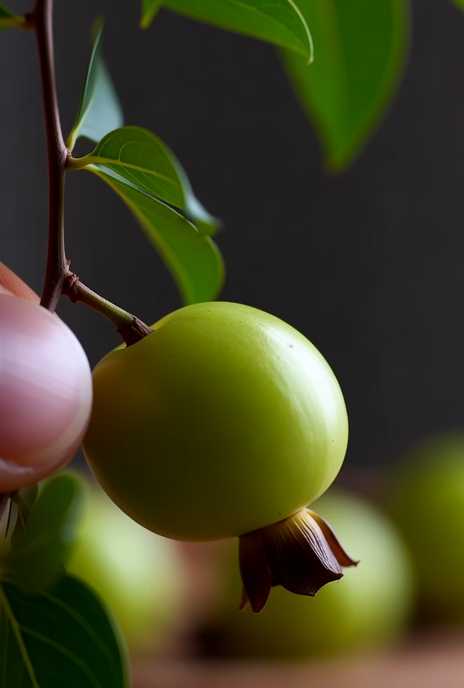
Amla, also known as Indian gooseberry or Phyllanthus emblica, stands as one of the most revered herbs in the ancient tradition of Ayurvedic medicine, a holistic healing system that originated in India over 5,000 years ago. This small, green, tart fruit, often no larger than a golf ball, has been celebrated for centuries not just for its unique flavor that blends sour, bitter, and astringent notes, but for its profound medicinal properties that are believed to balance the body’s doshas—Vata, Pitta, and Kapha—promoting overall harmony and well-being.
In Ayurveda, amla is classified as a “rasayana,” a category of rejuvenating substances that are said to enhance longevity, bolster immunity, and restore vitality at a cellular level, making it a cornerstone in formulations aimed at preventing disease and supporting recovery from ailments. Unlike many modern supplements that target isolated symptoms, amla’s holistic approach stems from its rich composition of bioactive compounds, including exceptionally high levels of vitamin C—up to 20 times more than an orange—which acts as a potent antioxidant to combat free radicals and oxidative stress that contribute to aging and chronic illnesses.
Historically, sages and healers in ancient texts like the Charaka Samhita and Sushruta Samhita extolled amla’s virtues, describing it as a divine gift from nature capable of nourishing the body, mind, and spirit, and its use has persisted through generations, evolving into everyday remedies and potent elixirs that continue to captivate health enthusiasts worldwide today. Whether consumed fresh, dried, powdered, or as part of iconic preparations like Chyawanprash—a jam-like concoction blending amla with herbs, honey, and ghee—amla’s versatility allows it to seamlessly integrate into daily routines, offering a natural pathway to enhanced health without the side effects often associated with synthetic pharmaceuticals.

The Ancient Legacy of Amla in Ayurvedic Tradition
Delving into the historical tapestry of Ayurveda, amla emerges as a botanical marvel with roots deeply embedded in India’s cultural and medicinal heritage, where it has been utilized for millennia as a symbol of purity and rejuvenation. Ancient Ayurvedic scriptures, dating back to around 1500 BCE, reference amla extensively, portraying it as one of the three fruits in the sacred Triphala formula—alongside haritaki and bibhitaki—that is renowned for its detoxifying and balancing effects on the digestive system and beyond.
Legend has it that the sage Chyawana, seeking to regain his youth, consumed a preparation centered around amla, which not only restored his vigor but also inspired the creation of Chyawanprash, a tonic that has been passed down through Ayurvedic lineages as a daily supplement to ward off seasonal illnesses and promote mental clarity.
In traditional practices, amla was harvested during the winter months when its potency is at its peak, and it was prescribed for a wide array of conditions, from alleviating heat-related disorders due to its cooling properties to strengthening the heart and improving vision, reflecting Ayurveda’s emphasis on preventive care rather than mere symptom management. This herb’s enduring presence in rituals and remedies underscores its role in fostering resilience against environmental stressors, with historical accounts from travelers and scholars noting how Indian communities relied on amla to sustain health during famines or plagues, attributing its efficacy to its ability to enhance “ojas,” the vital essence in Ayurveda that governs immunity and life force. Over time, as Ayurveda spread across Asia and influenced global wellness paradigms, amla’s reputation grew, blending ancient wisdom with modern scientific validation that continues to uncover its mechanisms, ensuring that this humble fruit remains a bridge between time-honored traditions and contemporary health strategies.
Amla’s Nutritional Profile: Nature’s Concentrated Superfood
At the heart of amla’s medicinal prowess lies its extraordinary nutritional composition, which transforms this unassuming fruit into a veritable superfood packed with an array of vitamins, minerals, and phytochemicals that work synergistically to support bodily functions. Foremost among its attributes is its staggering vitamin C content, which not only surpasses that of citrus fruits but is also stabilized by tannins and polyphenols, preventing degradation during processing and allowing for sustained antioxidant activity that protects cells from damage caused by pollution, stress, and poor diet.
Beyond vitamin C, amla is rich in essential minerals like calcium, iron, and phosphorus, which contribute to bone health, oxygen transport in the blood, and energy metabolism, while its fiber content aids in maintaining gut integrity and regularity. The presence of potent antioxidants such as gallic acid, ellagic acid, and quercetin further amplifies its therapeutic potential, as these compounds exhibit anti-inflammatory effects that can mitigate chronic conditions by modulating immune responses and reducing oxidative burden on organs like the liver and kidneys.
In Ayurvedic terms, amla’s astringent and sour tastes are believed to pacify excess Pitta dosha, cooling the body internally and promoting detoxification through enhanced liver function, while its rejuvenative qualities nourish the dhatus, or tissues, from plasma to reproductive fluids, fostering comprehensive vitality. Scientific studies have corroborated these ancient insights, revealing that amla’s bioactive elements can influence gene expression related to aging and disease, making it a subject of interest in nutraceutical research where it’s explored for its role in preventing metabolic syndromes and supporting cognitive health through improved blood flow and neurotransmitter balance.

Boosting Immunity: Amla’s Shield Against Illness
One of the most celebrated benefits of amla in Ayurvedic medicine is its unparalleled ability to fortify the immune system, serving as a natural bulwark against infections and seasonal ailments that can disrupt daily life. Rich in ascorbic acid and other immune-modulating compounds, amla stimulates the production of white blood cells, which are crucial for identifying and neutralizing pathogens, thereby enhancing the body’s innate defense mechanisms and reducing the frequency and severity of colds, flu, and respiratory issues.
In traditional practices, regular consumption of amla is recommended during transitional seasons when immunity tends to wane, as its adaptogenic properties help the body adapt to stress—whether physical, emotional, or environmental—by regulating cortisol levels and preventing immune suppression. Detailed accounts from Ayurvedic texts highlight how amla’s antibacterial and antiviral attributes, derived from its phenolic content, combat microbial invasions at a cellular level, while its high antioxidant capacity scavenges free radicals that could otherwise impair immune function and lead to chronic inflammation.
Modern research supports these claims, showing that amla extracts can increase antibody production and enhance macrophage activity, making it particularly beneficial for individuals with compromised immunity, such as the elderly or those recovering from illness, and its inclusion in daily regimens like amla juice or powder has been linked to improved recovery times and overall resilience, offering a gentle yet effective alternative to synthetic immune boosters that often come with unwanted dependencies or side effects.
Enhancing Digestion and Gut Health: Amla’s Gentle Cleanser
Amla’s role in promoting digestive health is another cornerstone of its Ayurvedic applications, where it is prized for its ability to kindle the digestive fire, or “agni,” without aggravating sensitive systems, thus ensuring efficient nutrient absorption and waste elimination. As a mild laxative and carminative, amla helps alleviate common gastrointestinal woes such as constipation, bloating, and indigestion by stimulating peristalsis and balancing stomach acids, creating an environment conducive to healthy gut flora and preventing the buildup of toxins, known as “ama” in Ayurveda, which can lead to broader health imbalances.
Its fiber-rich pulp acts as a prebiotic, nourishing beneficial bacteria in the intestines, while its astringent properties tone the intestinal lining, reducing inflammation and aiding in the management of conditions like irritable bowel syndrome or acid reflux. Historically, Ayurvedic practitioners have prescribed amla in forms like Triphala to detoxify the colon gently over time, improving metabolic efficiency and supporting weight management by curbing cravings and enhancing satiety through stabilized blood sugar levels. Contemporary studies echo these benefits, demonstrating that amla’s polyphenols can inhibit harmful enzymes that disrupt digestion and promote the healing of ulcers, making it an ideal ally for those seeking to restore gut harmony in a world rife with processed foods and stressors that compromise digestive integrity, ultimately leading to sustained energy and vitality derived from optimal nutrient utilization.

Radiant Skin and Lustrous Hair: Amla’s Beauty Secrets
In the realm of beauty and self-care, amla has long been hailed in Ayurveda as a natural elixir for achieving glowing skin and strong, vibrant hair, drawing on its nutrient-dense profile to nourish from within and protect against external aggressors. For skin health, amla’s potent antioxidants combat premature aging by neutralizing collagen-degrading free radicals, while its vitamin C boosts collagen synthesis, resulting in firmer, more elastic skin that resists wrinkles, fine lines, and hyperpigmentation caused by sun exposure or environmental pollutants.
Traditional remedies often involve amla oil massages or face packs to soothe irritated skin, reduce acne through its antimicrobial action, and balance oil production for a clear, radiant complexion, with its cooling effect particularly beneficial for Pitta-related issues like rashes or inflammation. When it comes to hair, amla strengthens follicles, prevents premature graying by supporting melanin production, and conditions the scalp to minimize dandruff and hair fall, as its essential fatty acids and minerals penetrate deeply to hydrate and repair damaged strands.
Ayurvedic texts recommend incorporating amla into hair oils or consuming it internally to promote luxuriant growth and shine, and modern validations through clinical trials affirm its efficacy in enhancing hair density and skin hydration, positioning amla as a timeless, holistic alternative to chemical-laden cosmetics that often provide only superficial results.
Anti-Aging and Chronic Disease Prevention: Amla’s Longevity Boost
Amla’s reputation as an anti-aging powerhouse in Ayurveda stems from its comprehensive approach to slowing the degenerative processes that accompany time, offering protection against chronic diseases through its multifaceted therapeutic actions. By addressing oxidative stress at its core, amla helps preserve telomere length and cellular integrity, delaying the onset of age-related decline in functions like cognition and mobility, while its anti-inflammatory compounds reduce the risk of conditions such as arthritis, cardiovascular disease, and neurodegeneration.
In managing diabetes, amla regulates blood glucose by improving insulin sensitivity and inhibiting carbohydrate-digesting enzymes, preventing spikes that lead to complications, and its cardioprotective effects include lowering cholesterol levels and strengthening arterial walls to avert heart attacks or strokes. Ayurvedic wisdom integrates amla into rasayana therapies for holistic rejuvenation, emphasizing its role in detoxifying the liver and kidneys to eliminate accumulated toxins that accelerate aging, and scientific evidence from recent studies highlights its potential in cancer prevention by inducing apoptosis in malignant cells without harming healthy ones. This herb’s ability to enhance metabolic health, support hormonal balance, and foster mental acuity makes it an invaluable tool for those aspiring to age gracefully, embodying Ayurveda’s philosophy that true longevity arises from nurturing the body’s innate healing capacities rather than battling symptoms in isolation.

Discover the miracle of Haritaki Fruit
Ways to Incorporate Amla into Your Lifestyle
Embracing amla in daily life is remarkably straightforward, given its adaptability across various forms that cater to different preferences and needs, allowing anyone to harness its Ayurvedic benefits with minimal effort.
Fresh amla can be eaten raw, though its tartness might be tempered by sprinkling salt or honey, providing an immediate burst of vitamin C and antioxidants to kickstart the day, while powdered amla offers convenience for mixing into smoothies, teas, or yogurts, ensuring consistent intake even during travel. For those seeking traditional potency, preparing amla murabba—a sweetened preserve—or incorporating it into Chyawanprash delivers a delicious, sustained release of nutrients that supports immunity throughout the seasons, and topical applications like amla-infused oils or pastes can be used for massages to enhance skin and hair vitality directly.
Ayurvedic guidelines suggest starting with small doses, such as one teaspoon of powder daily, to allow the body to acclimate, and combining it with other herbs for amplified effects, always consulting a practitioner for personalized advice, especially if managing specific health concerns. By weaving amla into routines—whether through culinary experiments like adding it to chutneys or as a supplement in capsule form—this ancient herb bridges the gap between timeless wisdom and modern wellness, empowering individuals to cultivate enduring health in a natural, sustainable manner.
Embracing Amla for a Healthier Tomorrow
In conclusion, amla’s enduring legacy in Ayurvedic medicine as a multifaceted herb underscores its timeless relevance in an era where natural, preventive health solutions are increasingly sought after, offering a profound reminder of nature’s capacity to heal and rejuvenate. From its historical roots in sacred texts to its validated benefits in contemporary research, amla exemplifies how a single fruit can address a spectrum of health needs, from bolstering immunity and digestion to enhancing beauty and longevity, all while aligning with the body’s innate rhythms.
As we navigate the complexities of modern living, integrating amla into our lives not only honors ancient traditions but also equips us with a powerful ally against the ravages of stress, pollution, and aging, fostering a state of balanced vitality that radiates from within. Whether you’re new to Ayurveda or a seasoned practitioner, exploring amla’s gifts invites a deeper connection to holistic well-being, proving that sometimes the most potent remedies are those that have stood the test of time, ready to unlock a healthier, more vibrant future for all who embrace them.

Leave a Reply