
Some of the herbal allies mentioned here are shared through affiliate links, meaning I may receive a small blessing of support if you choose to journey with them—always at no extra cost to you.

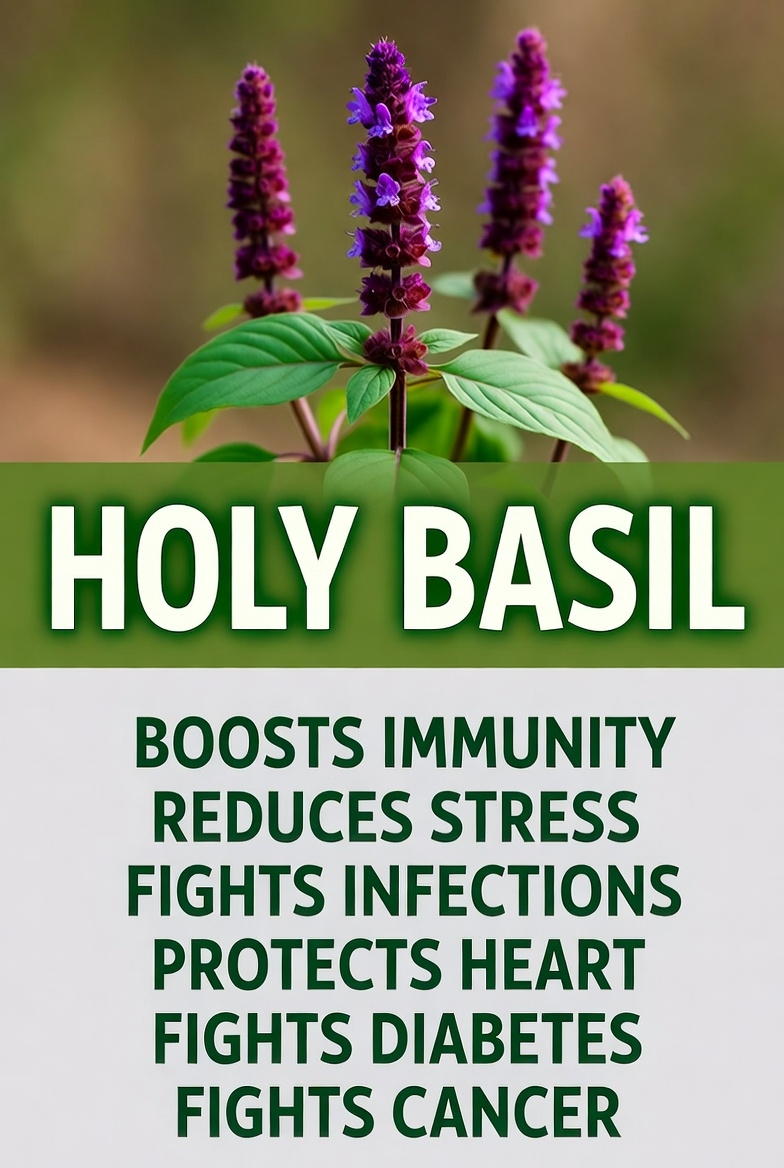
In the lush landscapes of ancient India, where spirituality and healing intertwined like the roots of sacred trees, Tulsi—scientifically known as Ocimum sanctum and revered as holy basil—emerged as a cornerstone of Ayurvedic medicine, a holistic system that has guided wellness for over 5,000 years. This aromatic shrub, with its vibrant green leaves and subtle purple flowers, is not merely a plant but a symbol of purity, vitality, and divine grace, often worshipped in Hindu households as an incarnation of the goddess Lakshmi, the embodiment of prosperity and well-being.

Grown natively in north central India and now flourishing across tropical regions worldwide, Tulsi has been hailed in ancient Vedic texts as “The Incomparable One,” “Mother Medicine of Nature,” and “The Queen of Herbs,” titles that reflect its unparalleled ability to nurture both body and spirit. In Ayurvedic tradition, Tulsi is classified as a rasayana, a rejuvenative herb that promotes longevity, enhances resilience against life’s myriad stressors, and fosters a harmonious balance among the three doshas—Vata, Pitta, and Kapha—while particularly pacifying excess Kapha and Vata.
Its pungent taste and heating energy penetrate deep into tissues, drying excess secretions and igniting the digestive fire known as agni, which is essential for optimal metabolism and detoxification. Beyond its physical attributes, Tulsi carries a profound spiritual essence, infused with sattva, the quality of purity and clarity that elevates consciousness, sharpens perception, and instills a sense of inner peace akin to a meditative trance. For millennia, it has been integrated into daily rituals, from morning prayers where its leaves are offered to deities, to evening teas that soothe the day’s accumulated tensions, serving as a bridge between the earthly and the ethereal.
Modern science, through rigorous studies and clinical trials, has begun to validate what Ayurvedic sages intuited long ago: Tulsi’s potent adaptogenic properties help the body adapt to physical, chemical, metabolic, and psychological stresses, making it a timeless ally in an increasingly chaotic world where environmental pollutants, demanding lifestyles, and emotional upheavals threaten our equilibrium. Whether consumed as a simple infusion or incorporated into complex herbal formulations, Tulsi stands as a testament to nature’s wisdom, offering a gentle yet powerful path to holistic health that transcends cultural boundaries and temporal divides.
Roots in Tradition: Tulsi’s Storied Legacy in Ayurvedic Healing
Tracing its origins back to the ancient scriptures of the Vedas and Puranas, Tulsi’s legacy in Ayurvedic medicine is as rich and layered as the fertile soils from which it springs, embodying a profound integration of herbal pharmacology, spiritual practice, and preventive healthcare that has sustained generations across the Indian subcontinent. Revered in texts like the Charaka Samhita and Sushruta Samhita, foundational pillars of Ayurveda compiled around 1500–500 BCE.
Tulsi was prescribed for a vast array of ailments, from common respiratory afflictions like coughs and asthma to more complex disorders such as arthritis, digestive disturbances, and even venomous bites from insects, snakes, or scorpions, highlighting its versatility as a broad-spectrum healer. In these ancient treatises, Tulsi was described as possessing hot and bitter qualities that not only stimulate digestion and alleviate bloating but also purify the blood, enhance skin radiance, and bolster the voice with a natural sweetness, attributes that made it indispensable in royal courts and humble homes alike.
Its role extended beyond mere remedy; as a sacred plant, Tulsi was planted in courtyards to ward off negative energies and insects, its eugenol-rich aroma acting as a natural repellent while simultaneously sanctifying the air, a practice that aligns with modern understandings of its antimicrobial prowess. In Hindu rituals, Tulsi leaves are integral to puja ceremonies, symbolizing devotion and used to prepare holy water, while in Christian traditions, particularly within the Greek Orthodox Church, it holds similar sanctity for blessing rituals, illustrating its cross-cultural spiritual significance.
Ayurvedic practitioners valued Tulsi for its ability to normalize imbalances in the doshas, particularly by reducing Kapha’s congestive tendencies and Vata’s erratic nature, thus preventing diseases before they manifest—a core principle of Ayurveda known as swasthasya swasthya rakshanam, or the preservation of health in the healthy. This preventive ethos is evident in traditional recommendations for daily consumption, such as chewing fresh leaves to ward off infections or brewing them into teas to combat seasonal fevers and malaria, practices that were especially vital in tropical climates prone to waterborne and vector-borne illnesses.
Over centuries, Tulsi’s cultivation spread with Indian diaspora and trade routes, influencing herbal traditions in Southeast Asia and beyond, yet its core identity remained tied to Ayurveda’s holistic view, where healing encompasses not just the physical body but also the prana (life force) and ojas (vital essence), fostering intelligence, stamina, and emotional serenity.
Even today, in rural Indian villages, Tulsi plants are tended with reverence, their leaves harvested at dawn when potency is believed to peak, underscoring a timeless bond between humanity and this divine herb that continues to inspire contemporary wellness movements seeking natural, sustainable alternatives to synthetic pharmaceuticals.

Elixir of Wellness: Exploring Tulsi’s Profound Health Benefits
Delving into the multifaceted benefits of Tulsi reveals a treasure trove of therapeutic potentials that span from bolstering immunity to alleviating chronic stress, each underpinned by a synergy of traditional wisdom and emerging scientific validation, making it a veritable panacea for modern health challenges.
As a premier adaptogen in Ayurveda, Tulsi excels in helping the body navigate psychological stresses, where its anxiolytic and antidepressant properties—comparable to pharmaceuticals like diazepam—promote mental clarity, reduce anxiety and depression, and enhance cognitive function, including memory retention and protection against age-related deficits, as demonstrated in human trials where participants reported significant improvements in stress-related symptoms such as forgetfulness, sleep disturbances, and exhaustion after just six weeks of supplementation.
This mental fortification stems from its high sattvic energy, which uplifts the spirit and instills a sense of peaceful well-being often likened to “liquid yoga,” while simultaneously boosting ojas, the essence of vitality that infuses joy, vigor, and resilience into daily life, allowing individuals to face emotional upheavals with equanimity and grace. On the physical front, Tulsi’s potent antioxidant profile, rich in phenolic compounds like eugenol and ursolic acid, shields organs and tissues from oxidative damage caused by environmental toxins, heavy metals, and industrial pollutants, enhancing detoxification pathways through elevated levels of glutathione, superoxide dismutase, and catalase enzymes, which neutralize free radicals and prevent cellular degradation that could lead to chronic diseases.
Its radioprotective and chemopreventive effects further safeguard against radiation-induced harm and toxin-related cancers by reducing DNA damage, inducing apoptosis in malignant cells, and upregulating liver enzymes like cytochrome P450, offering a natural defense in an era of pervasive chemical exposures. Metabolically, Tulsi shines in regulating blood glucose, lipid profiles, and blood pressure, making it invaluable for managing diabetes, hypercholesterolemia, and hypertension; clinical studies have shown it lowers fasting blood sugar, improves insulin sensitivity, and prevents weight gain and insulin resistance in models of metabolic syndrome, with human research confirming reductions in glucose levels and enhancements in lipid metabolism without adverse effects.
For respiratory health, Tulsi’s Kapha-balancing action clears congestion, supports healthy breathing, and combats infections, its broad-spectrum antimicrobial properties—antibacterial, antiviral, antifungal, and antiprotozoal—proving effective against pathogens responsible for urinary tract infections, skin ailments, pneumonia, herpes, dengue, and malaria, as evidenced by its use in water purification, mouthwashes rivaling commercial antiseptics like Chlorhexidine, and even in animal husbandry to enhance immunity in livestock.
Inflammation, a root cause of many ailments, is tempered by Tulsi’s inhibition of cyclooxygenase and lipoxygenase pathways, providing anti-inflammatory relief akin to non-steroidal drugs for conditions like arthritis, allergies, and asthma, while its cardioprotective qualities promote healthy circulation, strengthen the heart, and prevent atherosclerosis by normalizing cholesterol and reducing oxidative stress on vascular tissues. Additionally, Tulsi accelerates wound healing by increasing tissue strength and repair speed, offers anti-ulcer protection by modulating gastric secretions and enhancing mucosal defenses, and even exhibits immunomodulatory effects that heighten the body’s natural defenses, with studies showing boosted immune responses in healthy volunteers after regular intake.
In essence, Tulsi’s benefits weave a comprehensive tapestry of protection and rejuvenation, addressing the interconnected web of physical, mental, and spiritual health in a way that few herbs can match, all while being gentle enough for daily use without reported negative side effects in well-conducted trials, though caution is advised for those with specific conditions or during pregnancy, emphasizing the importance of consulting healthcare providers for personalized guidance.
From Garden to Cup: Integrating Tulsi into Your Everyday Routine
Embracing Tulsi in daily life is akin to inviting a gentle guardian into your home, where its versatile forms—from fresh leaves to teas, powders, and oils—offer seamless ways to harness its healing essence, transforming routine habits into rituals of self-care that align with Ayurvedic principles of balance and mindfulness.
Traditionally, the simplest incorporation is through Tulsi tea, prepared by steeping fresh or dried leaves and flowers in boiling water for up to ten minutes, resulting in a spicy, bitter infusion that not only invigorates the senses but also serves as a preventive elixir against seasonal ailments, stress, and digestive woes, often enhanced with complementary herbs like ginger for added warmth or honey for sweetness to make it more palatable for all dosha types.
For those seeking targeted support, Ayurvedic formulations blend Tulsi with allies such as echinacea for immune fortification, rose and saffron for mood elevation, or licorice and marshmallow for respiratory relief, available in tablets, syrups, or liquid extracts that can be taken daily to build resilience over time, particularly beneficial during high-stress periods or seasonal transitions when Kapha imbalances peak.
Topical applications extend Tulsi’s reach, with massage oils infused with its essence promoting circulation, easing Vata-related joint pains, and nurturing the skin’s natural glow through abhyanga, the self-massage practice that detoxifies and calms the nervous system, or in balms for localized care like breast health or wound treatment. Cultivation at home amplifies its spiritual benefits, as tending a Tulsi plant in a sunny spot with organic soil not only ensures purity—avoiding pollutants that could concentrate toxins—but also fosters a meditative connection, with leaves harvested mindfully for fresh consumption, such as chewing a few raw ones each morning to kickstart digestion and immunity, though their bold flavor might encourage starting small for newcomers.
In culinary contexts, Tulsi can subtly enhance dishes, adding a peppery note to salads, soups, or pestos, while its essential oil, when diluted, serves in aromatherapy to repel insects or purify spaces, echoing ancient uses around sacred sites like the Taj Mahal for air quality control.
Ultimately, integrating Tulsi demands attentiveness to quality—opting for organically grown sources verified through methods like HPLC to ensure authenticity and potency—while listening to one’s body, as its heating nature might require moderation for Pitta-dominant individuals to prevent aggravation, yet with mindful use, it becomes a steadfast companion on the journey toward sustained vitality, harmony, and enlightenment.

Unveiling the Evidence: Clinical Insights into Tulsi’s Therapeutic Potential
In the realm of herbal medicine, Tulsi—scientifically known as Ocimum sanctum or holy basil—has transitioned from ancient Ayurvedic reverence to the scrutiny of modern clinical research, where rigorous trials and meta-analyses have begun to illuminate its multifaceted health benefits, ranging from metabolic regulation to stress alleviation and immune enhancement.
Over the past few decades, particularly since the late 20th century, clinical studies have proliferated, often employing randomized, double-blind, placebo-controlled designs to assess Tulsi’s efficacy and safety in human subjects, drawing on its rich phytochemical profile including eugenol, ursolic acid, and ocimumosides that underpin its adaptogenic, anti-inflammatory, and antioxidant properties.
These investigations, frequently conducted in India and other regions with a strong Ayurvedic tradition, have involved diverse populations such as individuals with type 2 diabetes, metabolic syndrome, stress disorders, and respiratory issues, typically administering Tulsi in forms like leaf powders, aqueous extracts, ethanolic extracts, or capsules at doses ranging from 300 mg to 3 g daily over periods of 4 to 13 weeks. While early studies from the 1960s and 1980s laid foundational evidence through open-label or controlled trials, more recent research from 2010 onward has adhered to higher methodological standards, incorporating tools like the Jadad scale for quality assessment, which rates trials on randomization, blinding, and dropout descriptions, with scores often reaching 3 to 5 in well-designed protocols.
Safety profiles across these studies consistently report minimal adverse effects, such as mild nausea or digestive discomfort in rare cases, affirming Tulsi’s tolerability even in long-term use, though caution is advised for pregnant individuals or those on anticoagulants due to potential interactions. As of 2025, ongoing and recent trials continue to explore novel applications, including dyspepsia and cognitive enhancement, building on a body of evidence that positions Tulsi not merely as a traditional remedy but as a promising adjunct in integrative medicine, supported by meta-analyses that pool data for stronger statistical power and broader generalizations.
Metabolic Mastery: Tulsi’s Role in Blood Sugar and Lipid Regulation
Clinical explorations into Tulsi’s impact on metabolic disorders have yielded compelling evidence of its hypoglycemic and hypolipidemic effects, particularly in adults grappling with type 2 diabetes mellitus (T2DM) and metabolic syndrome (MetS), where it acts as a natural modulator of glucose metabolism and lipid profiles without the side effects commonly associated with synthetic drugs.
A landmark meta-analysis of six randomized clinical trials, encompassing studies from 1996 to 2012, revealed that short-term supplementation with Tulsi—at doses of at least 1 g daily—significantly reduced fasting blood glucose by an average of 15.69 mg/dL, with even more pronounced benefits in older participants over 40 years exhibiting improvements in total cholesterol, LDL cholesterol, and VLDL cholesterol, underscoring its potential as a therapeutic agent for preventing cardiovascular complications in metabolic diseases.
For instance, a 2016 randomized controlled trial involving 40 middle-aged men with T2DM administered 3 g of Tulsi leaf capsules daily for 6.5 weeks, resulting in notable reductions in both fasting and postprandial glucose levels, with no adverse events reported, highlighting its standalone efficacy. Similarly, a 2012 placebo-controlled study with 100 MetS patients using 5 mL of aqueous Tulsi extract twice daily for 12 weeks demonstrated enhancements in lipid profiles, fasting glucose, and blood pressure, reinforcing its holistic metabolic support.
Another 2012 trial combined Tulsi with glibenclamide in 60 T2DM patients over 13 weeks, showing superior reductions in HbA1c, fasting, and postprandial glucose compared to glibenclamide alone, suggesting synergistic potential with conventional therapies. Earlier research, such as a 1996 single-blind, placebo-controlled crossover study with 40 T2DM adults ingesting 2.5 g of Tulsi powder daily for four weeks, confirmed decreases in fasting, postprandial, and urinary glucose, while a 1997 open trial in 27 T2DM/MetS patients noted improvements in glucose, lipids, glycated proteins, and uric acid after 1 g daily for four weeks.
In obesity-focused research, a 2016 parallel-group trial with 30 young adults supplemented with 250 mg Tulsi capsules twice daily for eight weeks improved BMI, triglycerides, and insulin resistance, albeit with mild nausea in some, while a 2010 placebo-controlled study in 40 T2DM patients enhanced lipid profiles over eight weeks.
Hypertension studies from 1986, involving randomized placebo-controlled designs with 20-36 adults taking 30 mL of 75% Tulsi juice daily for 10-12 days, reported blood pressure reductions up to 25%, with no side effects. Recent reviews from 2023-2025 further corroborate these findings, emphasizing Tulsi’s antidiabetic properties through preclinical and clinical data, though calling for larger-scale trials to solidify dosing protocols and long-term outcomes.

Calming the Storm: Tulsi’s Effects on Stress, Mood, and Sleep
Emerging clinical evidence positions Tulsi as a potent adaptogen for mitigating stress, anxiety, and sleep disturbances, with studies demonstrating its ability to modulate cortisol levels, enhance cognitive function, and promote restorative rest in stressed populations, often rivaling pharmaceutical interventions in efficacy but with superior safety.
A 2022 randomized, double-blind, placebo-controlled trial involving 100 adults aged 18-65 experiencing chronic stress administered 125 mg of a standardized Ocimum tenuiflorum extract (Holixer™) twice daily for eight weeks, revealing a 37% reduction in Perceived Stress Scale (PSS) scores and significantly lower hair cortisol levels compared to placebo, alongside buffered acute stress responses in salivary cortisol, amylase, and blood pressure during the Maastricht Acute Stress Test.
Sleep improvements were marked, with a 48% drop in Athens Insomnia Scale scores and increased sleep efficiency via Fitbit tracking, though no significant changes in total sleep time or mood disturbance subscales, and adverse events were minimal and comparable to placebo. Complementing this, a 2015 double-blind, placebo-controlled study with 40 healthy adults taking 300 mg ethanolic
Tulsi extract daily for four weeks showed enhanced cognitive flexibility, attention, and working memory by day 15, with no adverse effects. In generalized anxiety disorder, a 2008 open trial with 35 adults using 500 mg Tulsi capsules twice daily for eight weeks reduced self-reported anxiety, stress, and depression.
A 2012 double-blind study in 150 stressed adults with 400 mg OCIBEST capsules thrice daily for six weeks alleviated fatigue, sleep, and sexual issues. Another 2012 open trial in 24 elderly psychosomatic patients with 3 g Tulsi powder twice daily for 12 weeks lowered anxiety and biological age scores. A registered 2017 trial (NCT03184909) investigated Tulsi’s cognitive enhancement via stress reduction in a randomized placebo-controlled design, focusing on facilitative effects, though detailed outcomes remain pending in public databases. Recent 2024-2025 reviews highlight Tulsi’s anxiolytic and neuroprotective roles, supported by clinical data on mood stabilization and cognitive health.
Fortifying Defenses: Tulsi’s Immunomodulatory and Anti-Infective Powers
Tulsi’s clinical profile extends robustly into immunity and infection management, where studies illustrate its capacity to bolster immune responses, combat viral infections, and alleviate respiratory conditions through enhanced cytokine production and antimicrobial actions, making it a valuable ally in preventive and therapeutic contexts.
A 2011 double-blind, placebo-controlled crossover trial with 22 healthy adults taking 300 mg ethanolic Tulsi extract daily for four weeks increased interferon-γ and interleukin-4 levels, indicating boosted Th1 and Th2 immunity, with no adverse events.
A 2014 placebo-controlled study in 30 healthy adults consuming 1 g Tulsi in bars twice daily for two weeks enhanced physical performance, reduced fatigue, and lowered creatine kinase and lactic acid post-exercise.
For respiratory health, a 1983 open trial in 20 asthma patients with 500 mg aqueous Tulsi tablets thrice daily for one week improved vital capacity and provided relief within three days.
In viral infections, a 1986 open study in 20 hepatitis cases using 10 g aqueous Tulsi extract daily for 2-3 weeks resolved symptoms swiftly, while a 1983 controlled trial in 14 viral encephalitis patients with 2.5 g extract four times daily for four weeks boosted survival rates over steroids.
A 2011 double-blinded randomized controlled crossover trial confirmed immunomodulatory effects via ethanolic extract in healthy volunteers. Recent endeavors include a 2025 trial (NCT07175272) evaluating holy basil extract for dyspepsia in adults, aiming to assess reductions in gastric inflammation and symptoms through a clinical protocol, with preliminary indications of anti-inflammatory benefits.
Contemporary reviews from 2024 emphasize Tulsi’s antibacterial and antiviral potentials in clinical settings, including anti-carcinogenic effects via apoptosis induction, though more human trials are warranted.

Leave a Reply